Musings on Self-Injection v. Infusions

I was sitting here doing some research related to one of my (many) health conditions, and started to muse about how different my treatment for Crohn's is now. Injecting my biologic medication1 at home is so easy and stress-free in comparison to the infusions I used to have. As much as I liked the beneficial effects that infusions had on my Crohn's2, injecting at home just feels superior, even if I haven't enjoyed as many benefits from the treatment - yet. I mean, I don't expect much, especially since I have only just had my first maintenance dose.
In both cases, I have to take an immunosuppressant in tablet form every day. Now, I'm one of those who prefers injections to taking tablets, but it is what it is. Biologics are such that the immune system has to be dampened so the body does not reject the treatment. Both systems require fortnightly blood panels in the first six (6) weeks to check levels of medication, i.e. whether there are signs of antibodies building up, etc.
So, I started to break down the differences, and what follows is how they compare.
Getting an Infusion Every Eight (8) Weeks
Before infusion day: Researching bus timetables to and from the hospital to arrive in good time. Anxiety about possible hiccoughs with travel to and from the hospital, e.g. mobility on the day, incontinence episode, etc. Preparing a bento box, snacks, coffee and water bottles the night before because I can't have what's provided in the infusion suite due to type 2 diabetes. Packing a bag with a cushion, power bank, phones, book, and IBD supplies (IYKYK). Select clothing that will allow easy access to my arms for cannula.
Infusion day: Add food and drinks to travel bag. Travelling to and from hospital. The cost of travelling to and from hospital, as I've had to take taxis before when I've not been well or able to walk. Getting myself set up with my cushion for my back, and opting for my left arm for the cannula, so that the machine won't beep every time I turn a page, etc. Wondering if they can find a vein for infusions, as bloods are normally taken from the back of my hand. Nips as they try to find a vein. Sitting for two (2) hours through the infusion, and another hour spent ensuring I have no reaction. Hoping to the gods that the bus connections line up, so I'm not waiting at the bus station for an hour for my connection. Walking home from the bus stop when the tiredness from the biologic kicks in. Unpacking my foodstuffs and cleaning them. Changing into my PJs before heading to bed to rest regardless of what time I get home because I'm exhausted.
Self-Injection at Home Every Two (2) Weeks

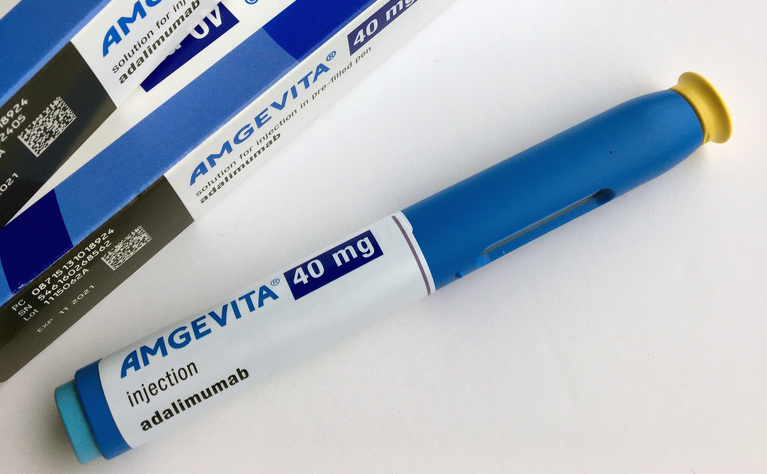
Fortnightly on a Monday: The medicine supplier's app alert goes off. I take the injection pen from the fridge and set a timer for 30 minutes. After 30 minutes, I go to my bedroom, where there is ample light and a comfy place to manoeuvre. It takes 1 to 2 minutes to administer the injection. No pain. I dispose of the used pen in the sharps bucket provided by the medicine supplier. I go about my day as usual.
Monthly: The supplier delivers the pens from a refrigerated van to my home. They replace the sharps bucket if it is full. I have to stay in for half a day to receive the delivery. Given where I live and the distance these drivers have to cover (most of the north of Scotland), it's a small inconvenience.
Conclusion
Benefits of Self-Injection Pens:
- Less organisation;
- Less time spent;
- Less pain; and
- Less stress.
The downsides:
- If you leave home for an extended period, e.g., a holiday that is longer than a fortnight. The pens have to be kept refrigerated at all times until 30 minutes before use and, if travelling overseas, there may be laws you have to follow regarding sharps on flights and in relation to medicines in your destination country.
- The boxes of pens take up valuable space in the fridge. If you have a small fridge, it can be a little frustrating.
- If the power goes out during a storm, you have to have alternative storage solutions in place.
I think it's easy to see which delivery system most patients would prefer. The easier option is definitely the DIY at-home approach. For those with busier lives than mine, this would be even more beneficial.
I'm just happy to have had the choice and can administer my treatment at home. It's one less medical concern I have in the back of my mind.